PreparED Study Materials

STAT 204: Statistics for Business Students
School: Colorado State University
Number of Notes and Study Guides Available: 0
Videos
Analyzing Age Distribution of Proofreaders: A Statistical Approach

Want To Learn More? To watch the entire video and ALL of the videos in the series:
full solution
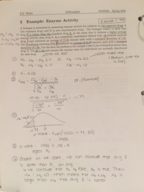
Discover the statistical process behind analyzing the age distribution of proofreaders at a publishing company. Learn how to use the Z-score formula for individual and sample mean probabilities, and how to interpret results using a Z-table.
Want To Learn More? To watch the entire video and ALL of the videos in the series:
full solution
Assumptions in Statistics: A High School Age Distribution Error
Want To Learn More? To watch the entire video and ALL of the videos in the series:
full solution
Analyze the statistical assumptions made about high school students' ages, emphasizing the importance of understanding distributions before applying the Standard Normal Table.
Comparing Ages: Slot Machine vs. Roulette Players
Want To Learn More? To watch the entire video and ALL of the videos in the series:
full solution
Examine the mean ages between two distinct groups: slot machine players and roulette enthusiasts. Utilizing the independent sample t-test, evaluate if there's a significant age difference between the two groups. The findings offer a nuanced understanding of player demographics in gaming environments.
ACT Score Bet: Who Owes the Pizza? A 7.6% Chance Explained
Want To Learn More? To watch the entire video and ALL of the videos in the series:
full solution
Discover the friendly bet between Leona and Fred surrounding their ACT scores and who owes who a pizza. Using statistical principles like Z-scores and the normal distribution, we'll decipher the odds of one outperforming the other by 5 points.
Decoding Probabilities: Unions, Intersections, and Complements
Want To Learn More? To watch the entire video and ALL of the videos in the series:
full solution
Explore the intricacies of calculating probabilities using set theory concepts such as union and intersection. With step-by-step computations, understand how to find the likelihood of events A and B occurring or not occurring together. Witness the application of classic probabilistic formulas.