PreparED Study Materials

PSY 40383: Introduction to Clinical Psychology
School: Kent State University
Number of Notes and Study Guides Available: 14
Notes


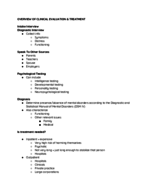

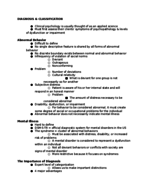
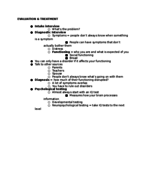
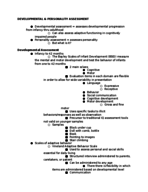


Study Guides

Videos
Phonemes Uncovered: The Intricate Sound Units of Language Explored

Want To Learn More? To watch the entire video and ALL of the videos in the series:
full solution
Explore the core concept of phonemes in linguistics. Learn how these sound units differentiate words and shape language. Experience the captivating intricacies of speech sounds across languages.
What do we call a mental predisposition that influences
Want To Learn More? To watch the entire video and ALL of the videos in the series:
full solution
Explicit vs. Implicit Memory: Understanding Their Roles
Want To Learn More? To watch the entire video and ALL of the videos in the series:
full solution
Explore the nuances of Explicit and Implicit Memories. While Explicit Memory acts as our factual database and life's scrapbook, Implicit Memory operates subtly, influencing our actions through past experiences. Delve into their subtypes, from Episodic and Semantic to Procedural, Priming, and Conditioning.
Unraveling Motivation: How Different Perspectives Shape Our Drive
Want To Learn More? To watch the entire video and ALL of the videos in the series:
full solution
Unpack the different psychological perspectives on motivation, from biological drives to socio-cultural influences. Understand how internal and external factors shape our desire and commitment. Explore the roles of conscious and unconscious elements in motivating behavior.
Texture Gradients: Shaping Our Depth Perception
Want To Learn More? To watch the entire video and ALL of the videos in the series:
full solution
Discover how texture gradients shape our depth perception both indoors and outdoors. Explore how various environmental patterns provide depth cues. Understand the blend of Gestalt principles and depth cues in shaping our visual experience.
Pavlov and the Basics of Classical Conditioning
Want To Learn More? To watch the entire video and ALL of the videos in the series:
full solution
This video explores Ivan Pavlov's groundbreaking research on classical conditioning, detailing the key elements of the process and its implications for understanding how organisms learn and adapt to their environment.