PreparED Study Materials

CHEM 12400: Experimental Chemistry 1
School: Ithaca College
Number of Notes and Study Guides Available: 4
Notes


Videos
Understanding Electron Configurations of Ions: The Noble Gas Connectio

Want To Learn More? To watch the entire video and ALL of the videos in the series:
full solution
Unravel the electron configurations of diverse ions and discern their noble gas resemblances. Understand how atoms and ions strive for full outer electron shells for ultimate stability.
Potassium and Iodine Monatomic Ions: Atomic Insights Revealed
Want To Learn More? To watch the entire video and ALL of the videos in the series:
full solution
Discover the monatomic ions formed by potassium and iodine in this informative chemistry tutorial. Learn how to determine ion charges based on atomic properties and their positions on the periodic table.
Electron Configurations: Zn Cu Zr & Fe Transition Metals Explained!
Want To Learn More? To watch the entire video and ALL of the videos in the series:
full solution
Unravel electron configurations for transition metals including zinc copper zirconium and iron. Understand how atomic number influences electron arrangement based on the Pauli exclusion principle Hund's rule and the Aufbau principle. Decode the configurations of each metal with clarity.
Chemical Formulas: CaI?, N?O?, SiO?, ZnCl? for Atom Ratios
Want To Learn More? To watch the entire video and ALL of the videos in the series:
full solution
Unlock the world of chemical formulas and their atom ratios. Learn to write compounds like CaI?, N?O?, SiO?, and ZnCl? in this chemistry tutorial.
Differentiating Strong & Weak Electrolytes: Ionization in Aqueous Solu
Want To Learn More? To watch the entire video and ALL of the videos in the series:
full solution
Discover the difference between strong and weak electrolytes by understanding their ionization in water. Using nitrous acid and nitric acid as examples, this video provides chemical equations that visually distinguish the ionization behavior of these electrolytes.
Glucose Polymer with Alternating Glycosidic Linkages: Structure and Fu
Want To Learn More? To watch the entire video and ALL of the videos in the series:
full solution
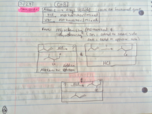
Explore the fascinating discovery of a glucose polymer with alternating glycosidic linkages. We'll visualize its Haworth projection and investigate its potential role in organisms, pondering whether it primarily serves a structural or energy storage function. Additionally, we'll discuss which types of organisms might utilize this unique polysaccharide as a potential food source.