PreparED Study Materials
BSC 2086: Anatomy and Physiology 2
School: Florida Atlantic University
Number of Notes and Study Guides Available: 41
Notes


Exam 2 review part 2 (Biological Science)
BSC 2086
Florida Atlantic University
8 pages | Spring 2016

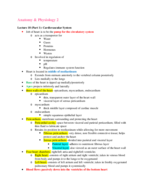

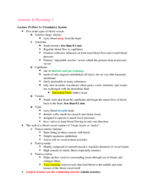


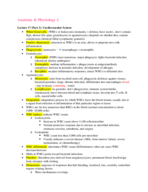
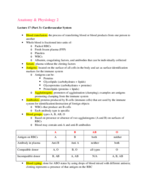
Anatomy and physiology 2- week 1 (OTHER)
BSC 2086
Florida Atlantic University
48 pages | Spring 2016


Ap2 lecture 16.3 notes (part one) (OTHER)
BSC 2086
Florida Atlantic University
3 pages | Spring 2016


Study Guides






Videos
Aldosterone & Target Cells: Intracellular Receptor Insights

Want To Learn More? To watch the entire video and ALL of the videos in the series:
full solution
Learn why lipid-soluble signaling molecules like aldosterone only impact specific target cells. We discuss four theories and reveal that intracellular receptors present only in target cells are the key. This video demystifies the unique mechanism behind aldosterone's selective action.
Where Does Protein Digestion Begin? Exploring the Stomach's Role
Want To Learn More? To watch the entire video and ALL of the videos in the series:
full solution
Explore the fascinating process of protein digestion, debunking misconceptions about where it starts. Discover the roles of enzymes like pepsin and HCl in breaking down proteins in the stomach.
Want To Learn More? To watch the entire video and ALL of the videos in the series:
full solution
Cytokinesis: How Plant Cells Divide Their Cytoplasm
Want To Learn More? To watch the entire video and ALL of the videos in the series:
full solution
In this video, we explore the crucial role of the cytoplasm in a cell and its division. By drawing parallels to intriguing concepts like telekinesis, we shed light on vital processes like karyokinesis and cytokinesis. By the end, we unveil cytokinesis as the primary method for plant cell cytoplasm division.
Organic Chemistry Demystified: The Vital Role of Carbon Compounds"
Want To Learn More? To watch the entire video and ALL of the videos in the series:
full solution
Explore the fascinating realm of organic chemistry and its emphasis on carbon compounds. Understand how organic molecules, pivotal to life, are intricately composed. Gain insight into the properties and relationships that make these compounds essential.
Decoding Potassium Chloride: Is it a Salt, Acid, Base, or Buffer?
Want To Learn More? To watch the entire video and ALL of the videos in the series:
full solution
Explore the nature of compounds in chemistry, focusing on potassium chloride (KCl) and its dissociation. Understand the distinctions between salts, acids, bases, and buffers. Dive into the characteristic behaviors of each to identify the true nature of KCl.