PreparED Study Materials
BIOL 111: Human Physiology & Anatomy I
School: Amarillo College
Number of Notes and Study Guides Available: 9
Notes



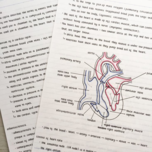
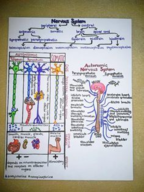
Study Guides


Videos
Cellular Respiration: From Glucose to Energy-Rich ATP

Want To Learn More? To watch the entire video and ALL of the videos in the series:
full solution
Dive into the world of cellular respiration, where glucose transforms into energy-rich ATP. Unpack the crucial steps that occur mainly within the mitochondria, resulting in the release of carbon dioxide and the production of the cell's primary energy currency. Decode life's foundational energy process and its significance in cellular functions.
Haemoglobin Explained: Dissecting Its Structure & Oxygen Binding Capab
Want To Learn More? To watch the entire video and ALL of the videos in the series:
full solution
Dive into the biochemistry of haemoglobin, a pivotal protein in red blood cells. We assess key statements about its structure and function, clarifying common misconceptions.
Want To Learn More? To watch the entire video and ALL of the videos in the series:
full solution
Energy Release: Oxidizing Sucrose, ADP to ATP or Glucose?
Want To Learn More? To watch the entire video and ALL of the videos in the series:
full solution
Discover which biochemical reaction liberates the most energy comparing options like oxidizing sucrose converting ADP to ATP and cellular respiration. This video offers detailed explanations of each reaction's energy output helping you understand their roles in biological systems.
Want To Learn More? To watch the entire video and ALL of the videos in the series:
full solution
Movement in Joints: Synarthrotic to Diarthrotic, How Do They Compare
Want To Learn More? To watch the entire video and ALL of the videos in the series:
full solution
Explore the spectrum of movement in joints, from immovable synarthrotic to freely movable diarthrotic. Understand how these classifications correspond to fibrous, cartilaginous, and synovial joint types.