PreparED Study Materials
BIOL 213: Human Anatomy and Physiology 1
School: Liberty University
Number of Notes and Study Guides Available: 15
Notes









Videos

Want To Learn More? To watch the entire video and ALL of the videos in the series:
full solution
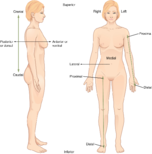
Anatomical Position: A Primer for Healthcare & Anatomy
Want To Learn More? To watch the entire video and ALL of the videos in the series:
full solution
Unlock the basics of the anatomical position, a crucial standard in medical and anatomical studies. This video clarifies the key differences among prone, supine, and standing positions and why they're not the anatomical position.
Want To Learn More? To watch the entire video and ALL of the videos in the series:
full solution
Net Filtration: Blood Osmotic vs. Capillary Pressure
Want To Learn More? To watch the entire video and ALL of the videos in the series:
full solution
Discover how filtration pressure is calculated within our bodies. Explore various options from adding capillary pressures to understanding lymphatic vessel roles. Grasp essential physiology principles as we highlight the accurate method.
Membrane Fluidity: Lipids' Dance in the Cell's Dynamic Boundary
Want To Learn More? To watch the entire video and ALL of the videos in the series:
full solution
Discover the dynamic nature of the cell's lipid bilayer. Delve into the roles of unsaturated and saturated phospholipids in membrane fluidity. Understand temperature's influence on this vital cellular component.
Genetic Changes Behind Tetrapod Limb Evolution: A Hox Gene Insight
Want To Learn More? To watch the entire video and ALL of the videos in the series:
full solution
Discover the pivotal genetic change behind the evolution of tetrapod limbs, focusing on a specific shift in the Hox gene expression. Unravel the significance of this change and its role in the spatial organization of body parts.