PreparED Study Materials

CHEM 202: Organic Chemistry 202
School: University at Buffalo
Number of Notes and Study Guides Available: 14
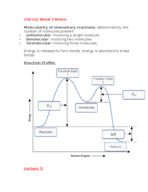
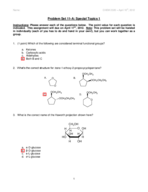
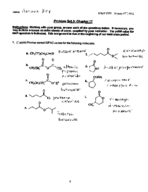
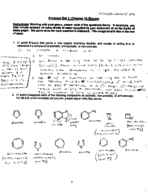
Notes







Videos

Want To Learn More? To watch the entire video and ALL of the videos in the series:
full solution
Counting Oxygen Atoms in Various Molecular Sets
Want To Learn More? To watch the entire video and ALL of the videos in the series:
full solution
Discover the simple yet essential method for counting the number of oxygen atoms in different molecular sets, including molecules and ions.
Calculating Backpacker's Fuel Weight: White Gas Density
Want To Learn More? To watch the entire video and ALL of the videos in the series:
full solution
Learn how to determine the weight of white gas carried by a backpacker using its density. A valuable skill for hikers and campers.
Validating & Correcting Chemical Equations: Ba(NO?)? to LiCl Reactions
Want To Learn More? To watch the entire video and ALL of the videos in the series:
full solution
Dive into the accuracy of four chemical reactions involving compounds like Barium Nitrate and Lithium Chloride. Discover which reactions yield precipitates which are correct and which need correction. A comprehensive review from Barium Sulfate formation to Lead Chloride precipitation
Oxidizing & Reducing Agents: Electron Exchange Demystified
Want To Learn More? To watch the entire video and ALL of the videos in the series:
full solution
Explore the world of oxidizing and reducing agents in chemistry. Gain a clear understanding of what they are and how they function without delving too deep into the subject matter.
Diprotic Acid Titration: Determining Molar Mass
Want To Learn More? To watch the entire video and ALL of the videos in the series:
full solution
Discover how to find the molar mass of an unknown diprotic acid through a titration experiment with 0.1288 M NaOH. Learn step by step in this chemistry tutorial.