PreparED Study Materials

PHYS 101: How Things Work I
School: University of Tennessee - Knoxville
Number of Notes and Study Guides Available: 3
Notes


Physics 101: week 2, 8/23 (Physics)
PHYS 101
University of Tennessee - Knoxville
3 pages | Fall 2015

Videos
Squirrel's Fall: Velocity and Deceleration Analysis

Want To Learn More? To watch the entire video and ALL of the videos in the series:
full solution
Analyze the physics of a falling squirrel, calculating its velocity upon hitting the ground and the deceleration due to limb bending.
Projectile Motion: Speed, Height, Time & Range
Want To Learn More? To watch the entire video and ALL of the videos in the series:
full solution
Join us for an engaging exploration of projectile motion as we dissect a fascinating scenario. We delve into the physics of a projectile fired with an initial speed of 36.6 m/s at an angle of 42.2° above the horizontal on a flat firing range. Discover how to determine the maximum height, total time in the air, total horizontal distance covered (range), and the speed of the projectile 1.50 seconds after firing. This video will demystify the dynamics of projectiles in a clear and educational manne
Want To Learn More? To watch the entire video and ALL of the videos in the series:
full solution
Newton's Third Law and Force Pairs: System of Interest Impact
Want To Learn More? To watch the entire video and ALL of the videos in the series:
full solution
Delve into Newton's third law of motion and explore how the choice of the 'system of interest' influences whether force pairs cancel each other out.
Amusement Park Divers: Speed and Physics Analysis
Want To Learn More? To watch the entire video and ALL of the videos in the series:
full solution
Step into the thrilling world of amusement park divers as we explore the physics behind their jaw-dropping stunts. Diving from a platform 21.3 meters (70 feet) above a pool of water, we investigate the announcer's claim that divers enter the water at a speed of 56 miles per hour (25 meters per second). We'll also uncover the possibility of divers leaping directly upward to achieve a specific water entry speed and examine the physical feasibility of such a feat. Join us for an educational journey
Electric Watch Crystal: Frequency to Period Conversion
Want To Learn More? To watch the entire video and ALL of the videos in the series:
full solution
Uncover the secrets of watch crystals in this video! We convert the frequency of a quartz crystal used in electric watches into its period. Join us to explore the principles of timekeeping and crystal oscillations.
Textbook Solutions (0)
Top Selling Study Tools


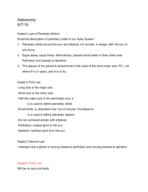
Week 2 notes - physics 221 (Physics)
PHYS 221
University of Tennessee - Knoxville
1 page | Fall 2015


Physics 221 week 1 notes (Physics)
PHYS 221
University of Tennessee - Knoxville
11 pages | Fall 2015


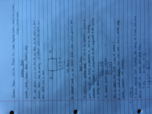


Physics 221, week 5 notes (Physics)
PHYS 221
University of Tennessee - Knoxville
2 pages | Fall 2015
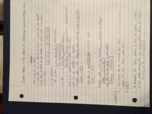
Physics 101: week 2, 8/23 (Physics)
PHYS 101
University of Tennessee - Knoxville
3 pages | Fall 2015