PreparED Study Materials

CHEM 62138: General Chemistry I
School: Colorado State University
Number of Notes and Study Guides Available: 2
Notes

Videos
Comparing O-O Bond Lengths: Hydrogen Peroxide vs. Oxygen Molecule

Want To Learn More? To watch the entire video and ALL of the videos in the series:
full solution
Explore the intricacies of hydrogen peroxide's Lewis structure and its bond characteristics. Understand the differences in bond lengths between H?O? and O?. Delve into the distinction between single and double bonds and their implications.
H-Cl Bond Energy Explained: ?H Signs Formation & Breakage Dynamics
Want To Learn More? To watch the entire video and ALL of the videos in the series:
full solution
Explore the concept of bond energy with the H-Cl bond as a prime example. Delve into the energy dynamics of bond breaking (endothermic positive ?H) versus bond formation (exothermic negative ?H). Understand how the magnitude remains consistent but signs differ based on energy absorption or release.
Comparing Structural Features of Sphingomyelins and Glycolipids
Want To Learn More? To watch the entire video and ALL of the videos in the series:
full solution
This video explores the structural and functional differences between sphingomyelins and glycolipids, two types of lipids found in cell membranes, highlighting their commonalities in backbone and fatty acid composition and their distinctive roles in cell structure and recognition.
The original sulfur quantity (tons) for 26M tons SO?
Want To Learn More? To watch the entire video and ALL of the videos in the series:
full solution
Explore the environmental impact of sulfur dioxide production, revealing how 26 million tons of this compound conceal 13 million tons of sulfur. It delves into the chemistry of this transformation, converting atomic and molecular masses, providing valuable insights into emissions from activities like burning coal and auto exhaust."
Physical vs Chemical Changes: Understanding Reactions & Transformation
Want To Learn More? To watch the entire video and ALL of the videos in the series:
full solution
Discover the differences between physical and chemical changes using common examples. Understand how sugar reacts in various scenarios, and how metals undergo changes, either maintaining their substance or forming new compounds.
Connecting Volume & Moles: A Deep Look at Gas Stoichiometry & Ideal Ga
Want To Learn More? To watch the entire video and ALL of the videos in the series:
full solution
Understand gas stoichiometry by exploring the Ideal Gas Law, which integrates key laws like Gay-Lussac's, Charles's, Avogadro's, and Boyle's. Discover how this equation helps determine relationships between gas volumes and moles in reactions.
Textbook Solutions (0)
Top Selling Study Tools
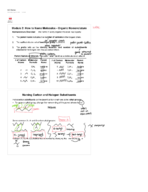
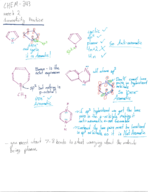
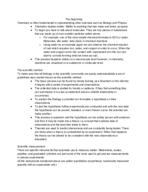

Chem 343 week 1 notes (8/22-8/26) (Chemistry)
CHEM 343
Colorado State University
7 pages | Fall 2015
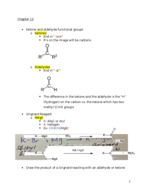



Organic chemistry week 4 notes (Chemistry)
CHEM 341
Colorado State University
11 pages | Spring 2016