PreparED Study Materials

BIOL 220: Biological Diversity: Animals
School: Brigham Young University
Number of Notes and Study Guides Available: 15
Notes


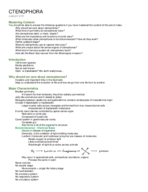





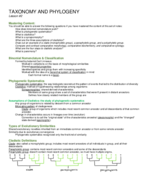
Study Guides

Videos
Proprioceptors Exclude: Spindles, Tendons, Discs, or Joints?

Want To Learn More? To watch the entire video and ALL of the videos in the series:
full solution
Explore the world of proprioceptors specialized sensory receptors in joints muscles and tendons that help us sense body movement and position. Understand the key types such as muscle spindles tendon organs and joint kinesthetic receptors. Learn why tactile discs are not considered proprioceptors even though they are sensory receptors
Cell Specialization Origins: Ectoderm, Mesoderm & Endoderm Roles
Want To Learn More? To watch the entire video and ALL of the videos in the series:
full solution
Discover the origins of specialized cells in embryonic development and learn about the three essential germ layers: ectoderm, mesoderm, and endoderm. Explore how these layers form the foundation for all multicellular life.
Cardiac vs Skeletal Muscles: Deciphering Key Structural Differences
Want To Learn More? To watch the entire video and ALL of the videos in the series:
full solution
Dive into the structural and functional differences between cardiac and skeletal muscles. Discover unique features, like intercalated discs and neuromuscular junctions, that set them apart. Understand the similarities and distinctions to answer a quiz question effectively.
Decoding Potassium Chloride: Is it a Salt, Acid, Base, or Buffer?
Want To Learn More? To watch the entire video and ALL of the videos in the series:
full solution
Explore the nature of compounds in chemistry, focusing on potassium chloride (KCl) and its dissociation. Understand the distinctions between salts, acids, bases, and buffers. Dive into the characteristic behaviors of each to identify the true nature of KCl.
Lumbar vs. Popliteal & Umbilical: Position Defined
Want To Learn More? To watch the entire video and ALL of the videos in the series:
full solution
Understand the anatomical significance and position of the lumbar region within the spinal structure. This video explains how the lumbar region which constitutes the lower back interacts with other areas like the popliteal and umbilical regions. Gain a clear perspective on its role in supporting body weight and its location relative to other spinal sections
Want To Learn More? To watch the entire video and ALL of the videos in the series:
full solution