PreparED Study Materials

Notes
Videos
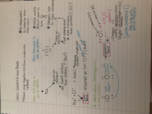
Decoding Potassium Chloride: Is it a Salt, Acid, Base, or Buffer?

Want To Learn More? To watch the entire video and ALL of the videos in the series:
full solution
Explore the nature of compounds in chemistry, focusing on potassium chloride (KCl) and its dissociation. Understand the distinctions between salts, acids, bases, and buffers. Dive into the characteristic behaviors of each to identify the true nature of KCl.
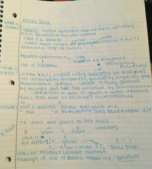
Osteocyte Nourishment: The Role of the Lacunar-Canalicular Network in
Want To Learn More? To watch the entire video and ALL of the videos in the series:
full solution
Uncover the fascinating system that nourishes osteocytes in our bones: the osteocyte lacunar-canalicular network. Learn how canaliculi connect these mature bone cells to vital nutrients, ensuring their health even at significant distances from blood vessels.
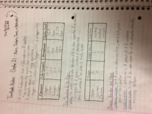
Balancing Act: How Negative Feedback Loops Maintain Harmony
Want To Learn More? To watch the entire video and ALL of the videos in the series:
full solution
Discover the concept of negative feedback loops in biological systems, where balance is maintained by counteracting changes. Explore the four key components: Stimulus, Sensor, Control Center, and Effector, through examples like blood sugar regulation. Uncover how these loops play a crucial role in keeping our body systems in harmony.
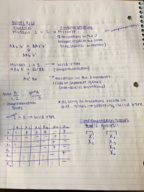
Demystifying Mitosis: Which Step Isn't Part of This Cellular Dance?
Want To Learn More? To watch the entire video and ALL of the videos in the series:
full solution
Unravel the intricacies of mitosis by identifying each phase and their characteristics. Highlight the process that is not a part of mitosis, emphasizing the importance of DNA replication.
Collecting Ducts: Kidney Function & Hydration Unveiled
Want To Learn More? To watch the entire video and ALL of the videos in the series:
full solution
Unlock the intricacies of kidney function as we focus on the role of nephrons and their specific components in regulating water recovery or disposal. Understand how collecting ducts are the main player in this process and debunk common misconceptions about other nephron parts.
Movement in Joints: Synarthrotic to Diarthrotic, How Do They Compare
Want To Learn More? To watch the entire video and ALL of the videos in the series:
full solution
Explore the spectrum of movement in joints, from immovable synarthrotic to freely movable diarthrotic. Understand how these classifications correspond to fibrous, cartilaginous, and synovial joint types.