PreparED Study Materials

PHY 2130: Introduction to Physics
School: Wayne State University
Number of Notes and Study Guides Available: 42
Notes





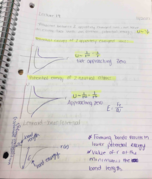

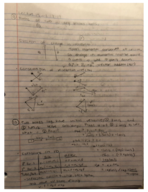


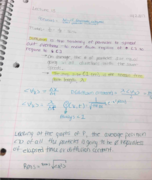


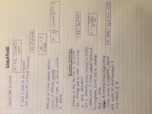
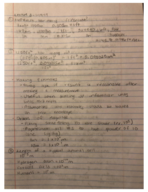


Wayne state phy 2130 general physics (Physics)
PHY 2130
Wayne State University
6 pages | Winter 2016




Study Guides





Videos
Deciphering Unknown Wavelength via Double Slit: The 355nm Light Revela

Want To Learn More? To watch the entire video and ALL of the videos in the series:
full solution
Uncover the methodology behind determining an unknown light's wavelength using the double slit experiment. Understand how fringe spacings relate to the light's properties. Find out the significance of second-order fringes and their measurements.
Maximum Speed of a Whirling Ball with a Breaking String
Want To Learn More? To watch the entire video and ALL of the videos in the series:
full solution
Discover the limits of circular motion as we explore the maximum speed a ball can achieve before its string breaks. Uncover the physics behind this thrilling scenario in our engaging video.
Spherical Capacitor: Calculating Capacitance and Plate Area
Want To Learn More? To watch the entire video and ALL of the videos in the series:
full solution
Explore the concept of capacitance in a spherical capacitor and learn how to calculate it. Discover how to find the plate area for a parallel-plate capacitor with the same capacitance and separation.
Track Radius for 5.5g Acceleration: Approximate Value
Want To Learn More? To watch the entire video and ALL of the videos in the series:
full solution
Delve into the physics of high-speed tracks and calculate the radius where drivers experience a 5.5g acceleration, exploring the multiple options and their implications.
Kinetic Energy: Saturn 5 & Apollo at 11.2 km/s Speed
Want To Learn More? To watch the entire video and ALL of the videos in the series:
full solution
Learn how to calculate the kinetic energy of a Saturn 5 rocket with an Apollo spacecraft attached using physics principles and formulas. Understand the importance of unit conversion and the work-energy theorem as you plug values into the KE = 1/2 mv² formula. Discover that the kinetic energy for this rocket and spacecraft combo is an astonishing 1.82 x 10¹³ Joules.
Why Does Hot Concrete Feel Hotter than a Rug in the Summer?
Want To Learn More? To watch the entire video and ALL of the videos in the series:
full solution
Uncover the science behind a common sensation - why hot concrete feels hotter than a rug at the same temperature on a scorching summer day. We'll explore the factors at play in this intriguing phenomenon and provide a clear understanding of the science behind it.