PreparED Study Materials

PSY 3330: Abnormal Psychology
School: Georgia Southern University
Number of Notes and Study Guides Available: 20
Notes






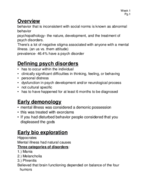


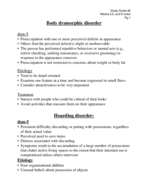
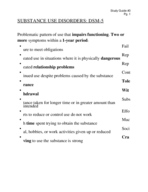
Study Guides



Videos
How did Piaget, Kohlberg, and others describe adolescent development?

Want To Learn More? To watch the entire video and ALL of the videos in the series:
full solution
This video delves into the contributions of Piaget and Kohlberg to adolescent cognitive and moral development, along with contemporary research in the field.
Deism Explained: Enlightenment Belief in a Non-Intervening Creator
Want To Learn More? To watch the entire video and ALL of the videos in the series:
full solution
Explore the tenets of deism, a philosophical perspective from the Enlightenment that emphasizes belief in a creator who doesn't intervene in the universe's affairs. Delve into its rise alongside scientific inquiry and its influential proponents, such as Paine, Jefferson, and Franklin.
Psychotherapy's Landscape: Exploring Biological, Cognitive & Behaviora
Want To Learn More? To watch the entire video and ALL of the videos in the series:
full solution
Explore the rich tapestry of psychotherapy, rooted in Biological, Cognitive, and Behavioral perspectives. From Biomedical therapy's drug-based approach to Behavioral Modification's learning techniques, uncover the multifaceted ways therapy promotes mental wellbeing.
Cognitive Neural Prosthetics: Brain Integration & Motor Control Explai
Want To Learn More? To watch the entire video and ALL of the videos in the series:
full solution
Uncover the marvels of cognitive neural prosthetics and their brain integration. Learn how these advanced brain-computer interfaces can translate user intentions. See their revolutionary role in assisting motor functions.
Want To Learn More? To watch the entire video and ALL of the videos in the series:
full solution
Pain Reflex Explained: Neurotransmitters Brain & Endocrine Response
Want To Learn More? To watch the entire video and ALL of the videos in the series:
full solution
This video explores how sensory receptors neurotransmitters and various brain structures work together to detect and react to pain all within a fraction of a second. Dive deep into the role of the sensory cortex spinal cord thalamus amygdala and endocrine system in our immediate and automatic response to potential harm.