PreparED Study Materials

CHB 1133: General Chemistry 2
School: University of Colorado
Number of Notes and Study Guides Available: 18
Notes
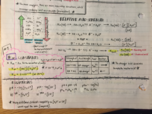


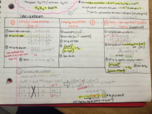


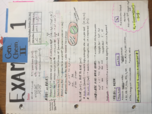





Study Guides



Videos
Intermolecular Forces in HCl, F?, and C?H??

Want To Learn More? To watch the entire video and ALL of the videos in the series:
full solution
Explore the fascinating world of intermolecular forces in this brief video, featuring HCl, F?, and C?H?? molecules. Learn about the bonds that hold these substances together!
Speed of Light Explained: Earth, Billions of Km & the Concept of Light
Want To Learn More? To watch the entire video and ALL of the videos in the series:
full solution
Discover the incredible speed of light as it zips 7.5 times around Earth in just a second! Marvel at its daily and yearly travels, equating to billions and trillions of kilometers. Dive deeper into the concept of a 'light year' and its significance in astronomical measurements.
Molecular Lewis Structures for CH?, CO?, H?Se, and NH?
Want To Learn More? To watch the entire video and ALL of the videos in the series:
full solution
In this video, we demonstrate the creation of Lewis structures for methane, carbon dioxide, hydrogen selenide, and ammonia, highlighting the arrangement of atoms and bonds in each molecule. The video emphasizes the importance of Lewis structures in visualizing atomic bonding and the presence of lone electron pairs.
1828 Synthesis of Urea: Pioneering Steps in Biochemistry
Want To Learn More? To watch the entire video and ALL of the videos in the series:
full solution
Explore the groundbreaking moment in 1828 when Wöhler synthesized urea, the first organic compound. Join us in this video as we trace the profound impact of this achievement on the field of biochemistry and its significance in unraveling the mysteries of life's complex chemistry.
Why is Chloromethane Polar but Methane Nonpolar? Decoding Molecule Sha
Want To Learn More? To watch the entire video and ALL of the videos in the series:
full solution
Explore the polar nature of Chloromethane and the nonpolar characteristics of Methane. Understand the impact of electronegativity differences and bond types. Deciphering molecular polarity through the lens of tetrahedral structures.
Denver Pressure Conversion: Atmospheres mmHg psi & Pascals Explained
Want To Learn More? To watch the entire video and ALL of the videos in the series:
full solution
Converting Denver's average pressure of 24.9 in. Hg into various units. This video provides clear steps to determine equivalents in millimeters of mercury atmospheres pounds per square inch and pascals. Understand the relationships and conversions between these common pressure units.