PreparED Study Materials

PSY 202: General Psychology
School: Oregon State University
Number of Notes and Study Guides Available: 31
Notes



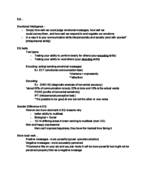



Psy 202 - emotions and deception (Engineering)
PSY 202
Oregon State University
4 pages | Winter 2016
Study Guides



Videos
How We Read: The Intricate Dance of Vision Perception & Brain Processi

Want To Learn More? To watch the entire video and ALL of the videos in the series:
full solution
Discover the intricate steps behind the reading and understanding process. Learn how our eyes perceive visual information and how the brain processes it, from basic light perception to recognizing intricate details. Delve into the synergy of bottom-up and top-down processing in vision.
Stress Unfolded: Hans Selye's General Adaptation Syndrome
Want To Learn More? To watch the entire video and ALL of the videos in the series:
full solution
Explore Hans Selye's groundbreaking General Adaptation Syndrome, detailing the body's three-stage response to stress. Learn about the physiological reactions in each stage, from alarm to exhaustion. Grasp the importance of managing chronic stress and its potential health implications.
Fraternal Twins: Unraveling Genetics & Environment in Research Studies
Want To Learn More? To watch the entire video and ALL of the videos in the series:
full solution
Discover the significance of studying fraternal twins in genetic research. Understand the unique blend of shared environments and differing genetic codes. Grasp how their study enlightens the genetics vs environment debate.
Decoding Color Afterimages: Unraveling Hering's Opponent-Process Theor
Want To Learn More? To watch the entire video and ALL of the videos in the series:
full solution
Uncover the mystery behind reversed-color afterimages and how our eyes decode them. Explore the role of cones and the importance of Hering's opponent-process theory. Break down other vision theories and their relevance to our color perception.
Maslow's Hierarchy: Understanding Basic to Higher Needs
Want To Learn More? To watch the entire video and ALL of the videos in the series:
full solution
Explore the life and work of Abraham Harold Maslow, a pivotal figure in American psychology. Delve into Maslow's groundbreaking Hierarchy of Needs, a model prioritizing human needs from basic physiological necessities to self-actualization. Understand the significance of satisfying lower-level needs before addressing higher ones.
Deciphering Drug Tolerance: From Myths to Real-World Examples Explaine
Want To Learn More? To watch the entire video and ALL of the videos in the series:
full solution
Discover the nuanced world of drug tolerance using real-world scenarios. Learn to differentiate between dependence, habitual use, and actual drug tolerance. A must-watch for understanding drug effectiveness and its implications.